Nehemiah

Chapters from the book, “The Prayer of Nehemiah”

Nehemiah

3. The Preparation

Of all the options one has for opening an important new book of the Bible, why start by telling us the month and year when it occurred? At first, it seems quite boring. As a reminder, here’s the very first verse of Nehemiah chapter 1: “It came to pass in the month of Chislev, in the twentieth year…” Nehemiah 1:1a Sorry, but at first, I’m surprised and frankly a bit annoyed at this trivia. Where’s the political intrigue? Tell me about the plots against Nehemiah’s life! How does he negotiate for supplies with the king?
Nehemiah

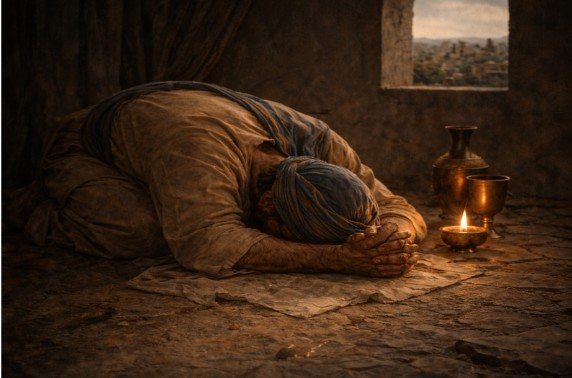
2. The Prayer

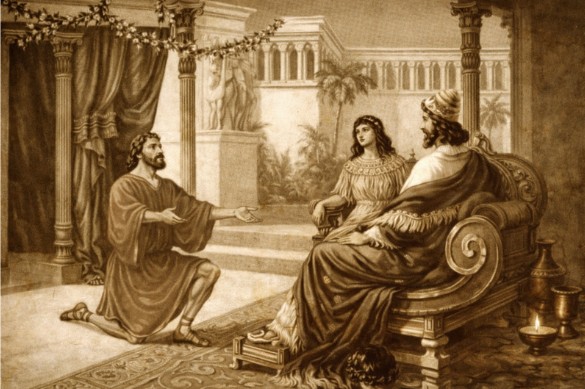
From its opening moments, set in the Persian palace fifteen centuries ago, the story of Nehemiah immerses us in a tragic tale. The visitors from Judah finish their report by describing the terrible conditions in Jerusalem:

Nehemiah

1. The Background

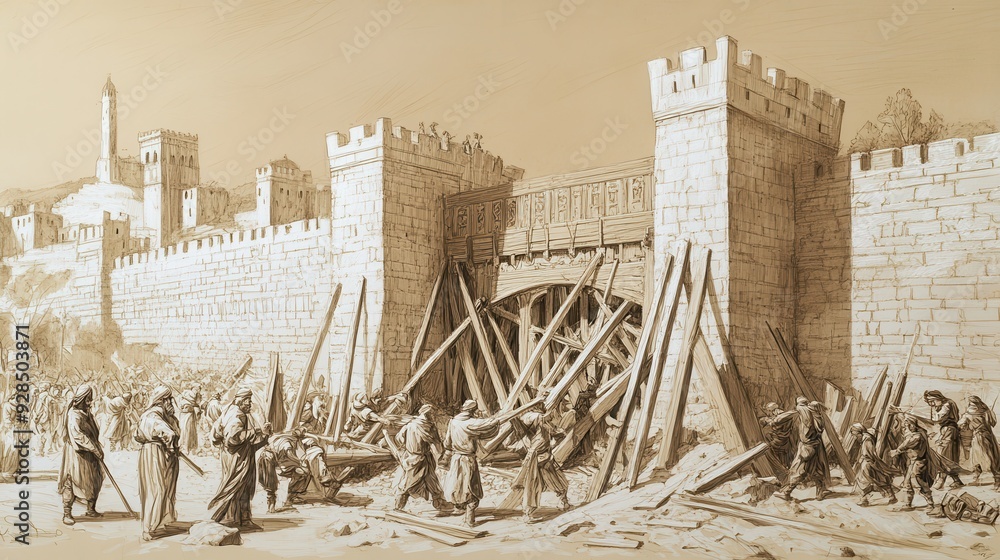
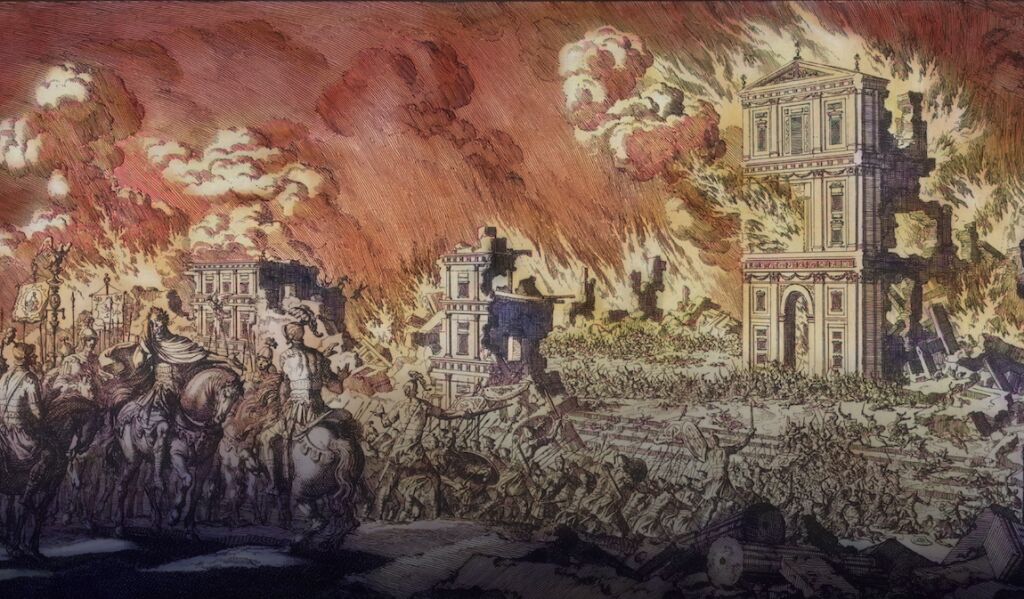
Roughly 2,500 years ago, a Jewish exile named Nehemiah, working in a Persian palace, received several visitors from his homeland of Judah. Although that country had been ransacked decades earlier, the Lord allowed a few thousand Jews to remain. In the first chapter of this story, these visitors described to Nehemiah the relentless, miserable living conditions of those still living in Jerusalem. Let’s listen to their heartbreaking report — shown in the first three verses:

Nehemiah

Introduction

Although it is well-known for providing remarkable wisdom, the Bible also contains fascinating reports of courageous leadership and political intrigue.  One of those accounts originates in the mysterious, ancient land of Persia and the ruins of Jerusalem.  The story describes a very brave, devoted man named Nehemiah. This Bible hero was mighty in spirit; he acted shrewdly toward those who tried to undermine his work, take his life and degrade his reputation.  The special mission he undertook, the one that gave him a good name throughout history, lasted only 52 days. 

Scroll to Top
Subscribe to stay in the know
Name(Required)
Email(Required)
Privacy(Required)